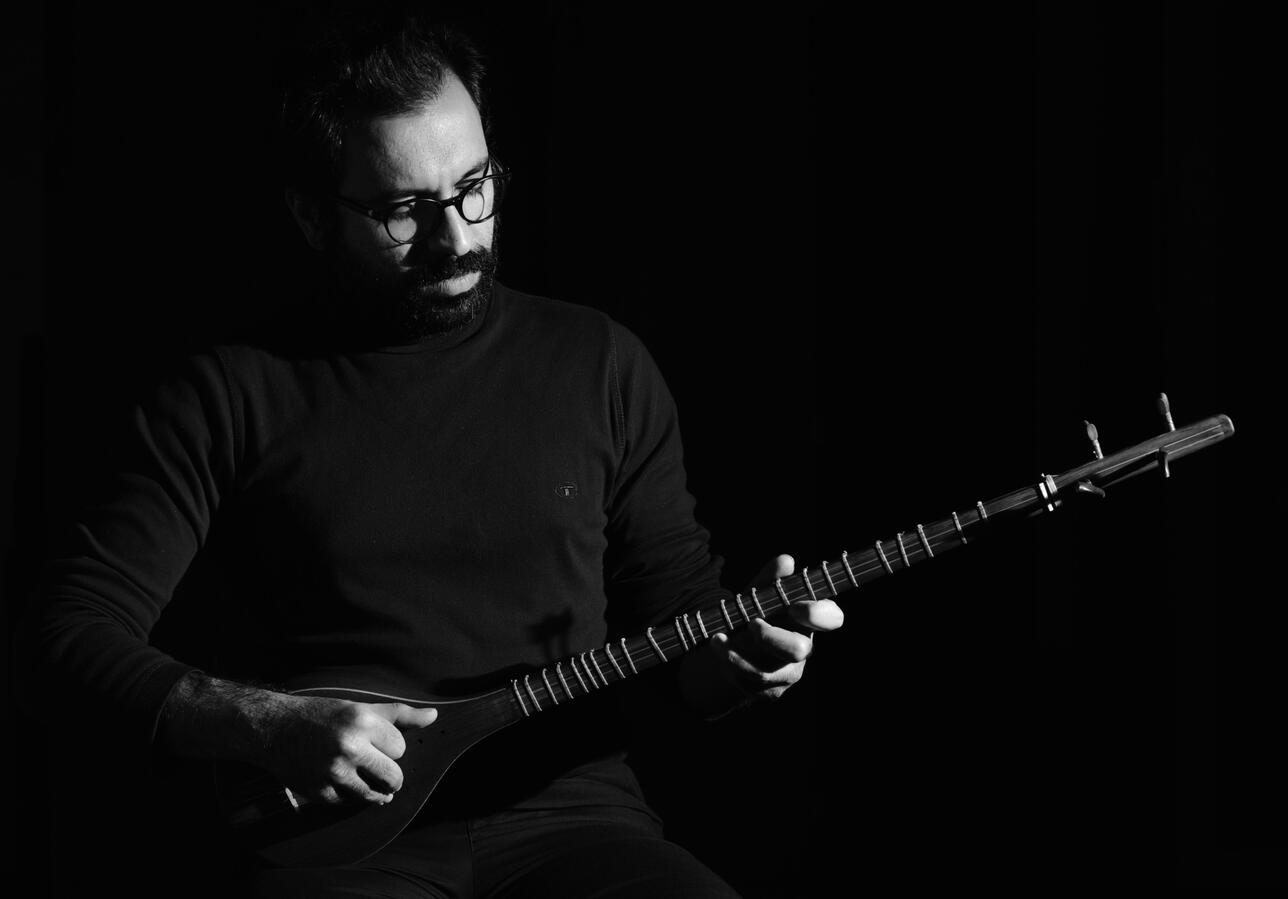
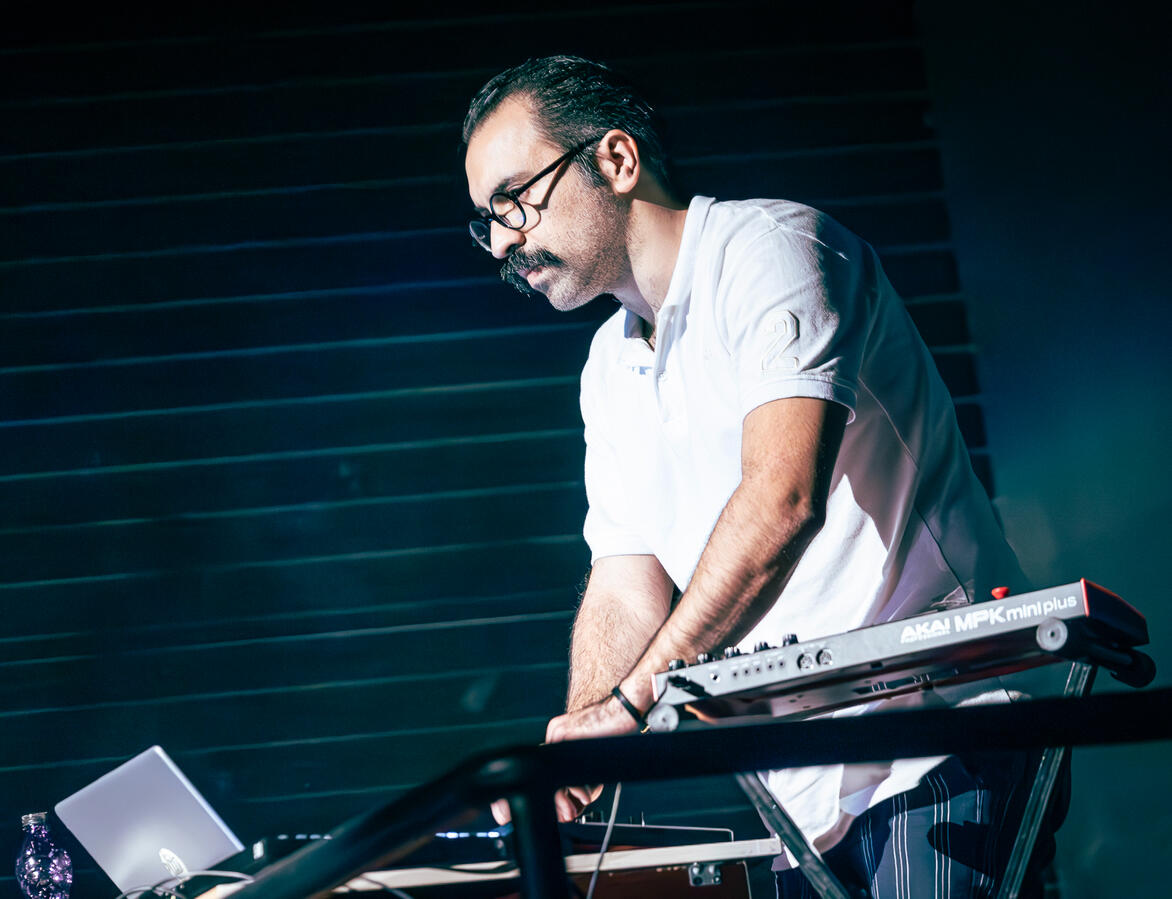
Parviz Davoudi
Iranian Composer, Musician and Music Researcher
Work
2025Doust
Iranian Ensemble
-----------------------------2024Taleshi No. 1
For flute and pianoTaleshi No. 2
For flute and pianoTaleshi No. 3
For flute and pianoFakhte
For solo harp---------------------------2023Louli
For flute quitet and Sorouz (Balpoch instrument) - 6:25
Borjan
For flute quitet and Robab (Balpoch instrument) - 6:38Iranian DancesKhorasani
Damoun
Chuchab
Shaki---------------------------2021Zahirouk
For flute quartet - 5:04-----------------------------2020Qowati
For flute quartet - 4:53Assarkhane
I 3:58
II 4:13
III 4:52------------------------------2018Parandak
For violin and cello------------------------------2017Seven Seconds to The BampourFor flute quartet - 6:49Death in Weimar
For string quartet - 5:23
About
Parviz Davoudi (b. 1989, Tehran) is a composer and music researcher. He studied composition at the Faculty of Fine Arts, University of Tehran, and has been composing and conducting musical research since 2010. He plays the Tar and Setar and is based in Tehran.
Davoudi’s artistic inquiry is grounded in the relationship between music, history, culture, and ways of living across the Iranian plateau. He engages with mythology, ethnic communities, subcultures, and patterns of migration not simply as sources for musical reconstruction, but as contexts through which to examine how musical experience is formed, transmitted, and transformed.
At the center of this inquiry is the search for the lost figure of the wandering minstrel and musician in the cultural history of Iran. For Davoudi, this figure is not merely a historical subject, but represents a particular relationship between music, life, and creation. Rather than attempting to reconstruct the past, he seeks to trace its forgotten and less-heard possibilities within the language of contemporary music.
From this perspective, composition is closely connected to the question of the unheard: the discovery of what has not been heard, an examination of cultural preferences, and an inquiry into which sounds are given a place within a culture and which remain at its margins. For Davoudi, music is therefore not only the creation of an individual work, but also a way of listening and asking questions.
Davoudi’s relationship with contemporary Western music is likewise grounded in dialogue and independence. He neither seeks to reject nor simply imitate its traditions, but considers them part of the wider field of contemporary musical experience. The movement between East and West is, for him, not a displacement of identity, but an opportunity to expand musical language and reconsider the relationship between cultures.
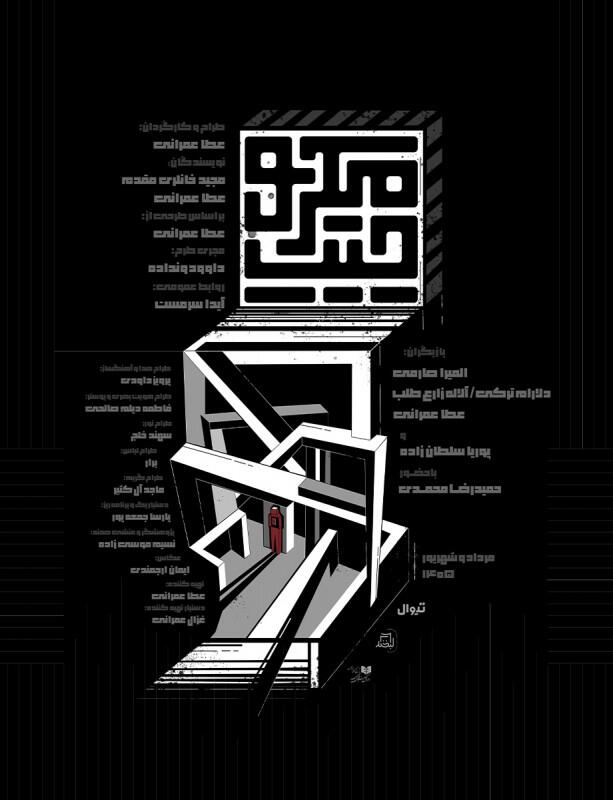
Music by: Parviz Davoudi
Venue: Labkhand Theater
Date: July & August 2026
Director: Ata Omrani

Music by: Parviz Davoudi
Venue: Hafez Theater
Date: November & December 2024
Director: Jafar Mahyari
Contact
For collaborations, performances , research, and professional inquiries:
[email protected]